EN
EN  ES
ES  FR
FR  DE
DE  AR
AR  PT
PT  RU
RU  JA
JA  IT
IT  KO
KO  TR
TR  NL
NL  PL
PL  ZH
ZH 
Programmable logic controllers (PLCs) are digital electronic systems designed for industrial applications. They use programmable memory to execute logic operations, sequencing, timing, counting, and arithmetic tasks. Through digital or analog inputs and outputs, PLCs control various mechanical devices or production processes.
Basic Structure of a Mini PLC Controller
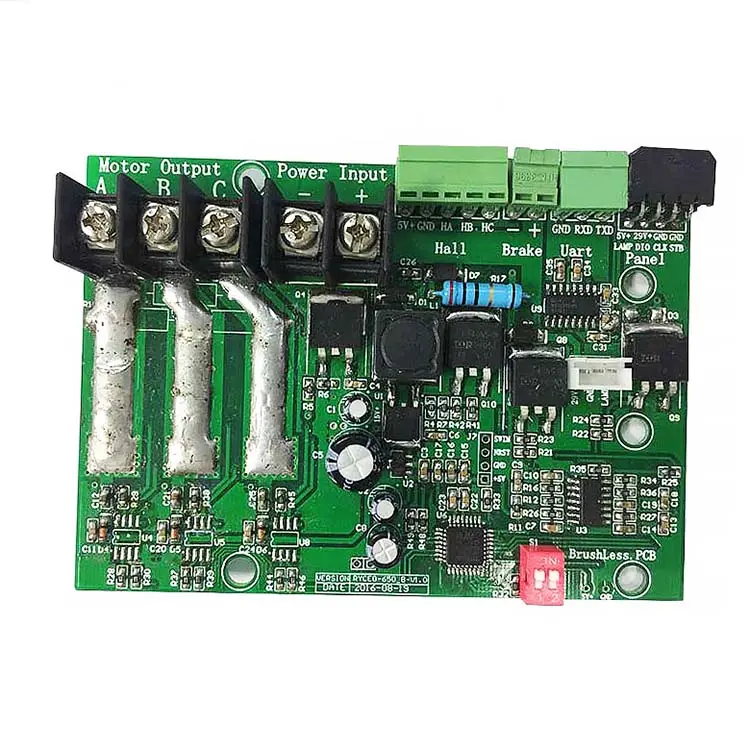
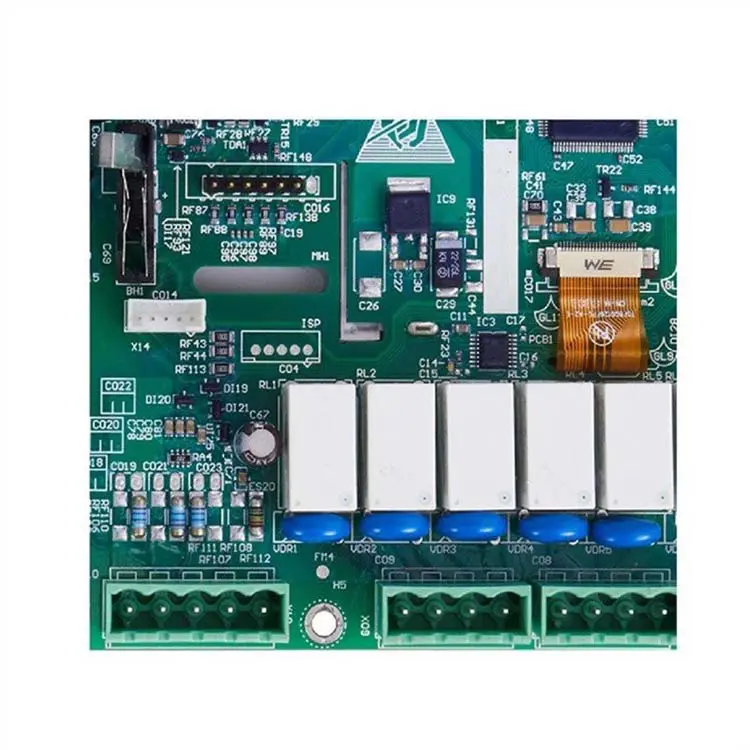
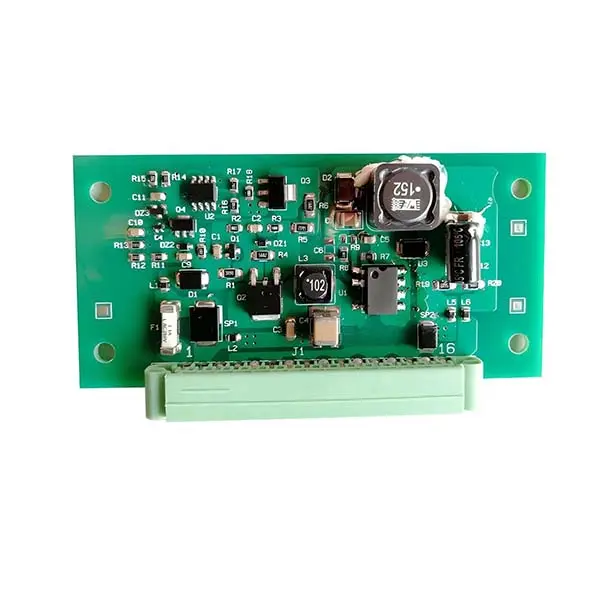
A PLC functions as an industrial computer with hardware similar to that of a microcomputer. Its primary components include:
Power Supply: Converts alternating current (AC) into the direct current (DC) required by the PLC. Most PLCs today use switching regulated power supplies.
Central Processing Unit (CPU): The CPU is the control center and core of the PLC, determining the system’s overall performance.
Memory: A semiconductor-based circuit that stores system programs, user instructions, logic variables, and other data.
Input Unit: It is the input interface between the PLC and the controlled device. This interface receives signals from the main command element and the detection element, and acts as a bridge between the PLC and the controlled device.
Output Unit: Send the output signal of PLC to the controlled device, that is, the CPU converts the weak signal into a level signal, and then drives the controlled device and executes it. It is also the connection between PLC and the controlled device.

Applications
Open-Loop Control: This is the most basic control function, using simple switches.
Analog Closed-Loop Control: Involves both digital and analog input/output points, allowing for more precise feedback and control.
Digital Control: PLCs can receive and output high-speed pulses from devices like rotary encoders and pulse servos, enabling advanced digital control functions.
Data Collection and Monitoring: PLCs gather field data and connect with computers or touchscreens for real-time monitoring and statistical analysis.
At Gorzim, a leading provider of electronic manufacturing services, we offer OEM and custom solutions for mini PLC controllers, tailoring each product to your specific needs.